Contain the release
Stop the source and separate the affected area from the rest of the home so contamination does not travel through air or traffic.

Service guide · Sewage cleanup
Sewage releases require containment and controlled disposal before any drying equipment runs; the sequence protects the rest of the home.
Tell the quote team your address, water source and affected rooms. Confirm service availability and written terms.
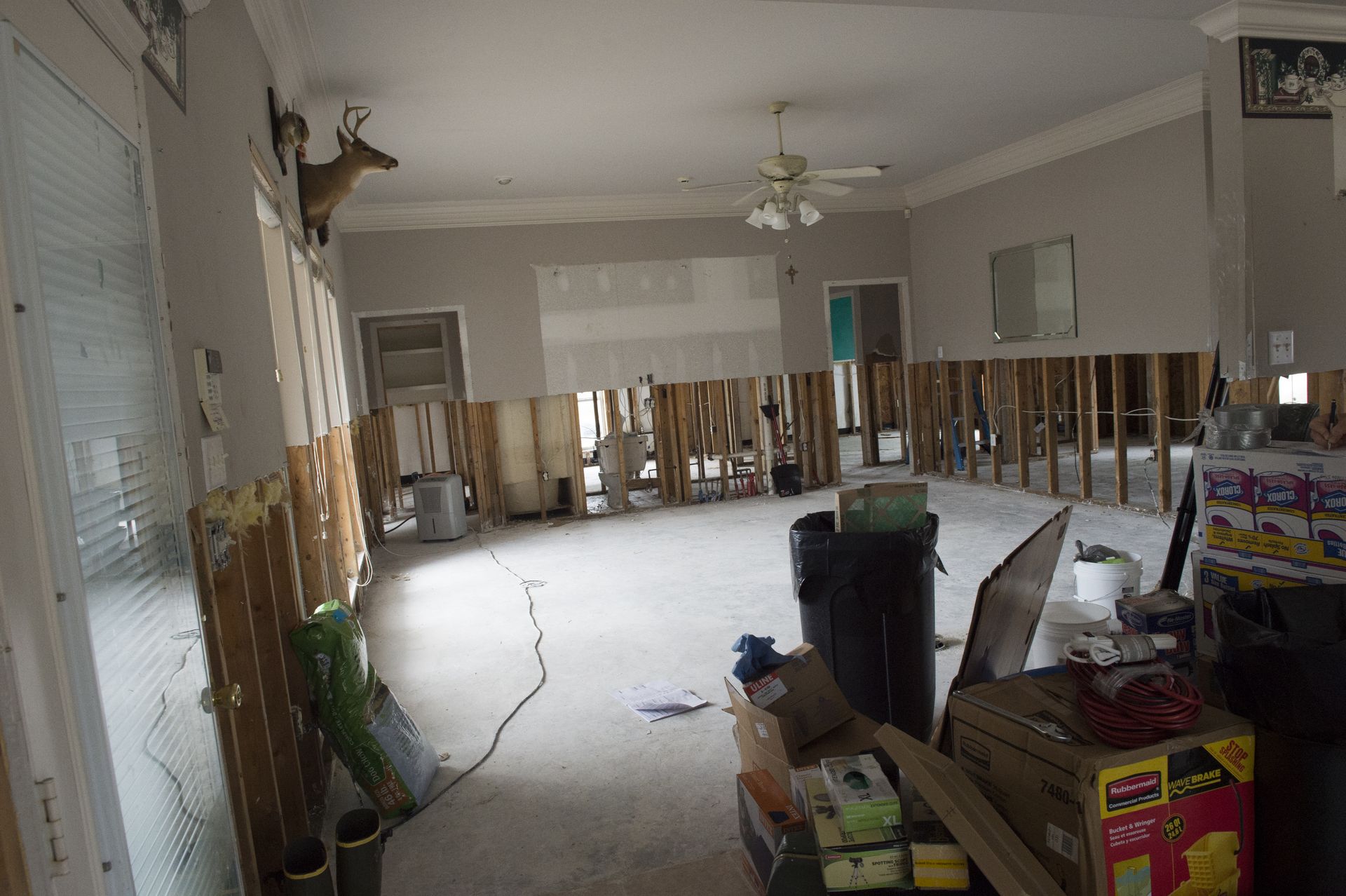
Containment first, drying second, and never the reverse.
Stop the source and separate the affected area from the rest of the home so contamination does not travel through air or traffic.
Soaked porous materials—carpet, pad, gypsum, insulation—are removed and disposed per the documented scope. Non-porous surfaces are cleaned and disinfected to agreed boundaries.
Air movers and dehumidifiers run only after the affected area is contained and decontaminated, so airflow does not spread residue.
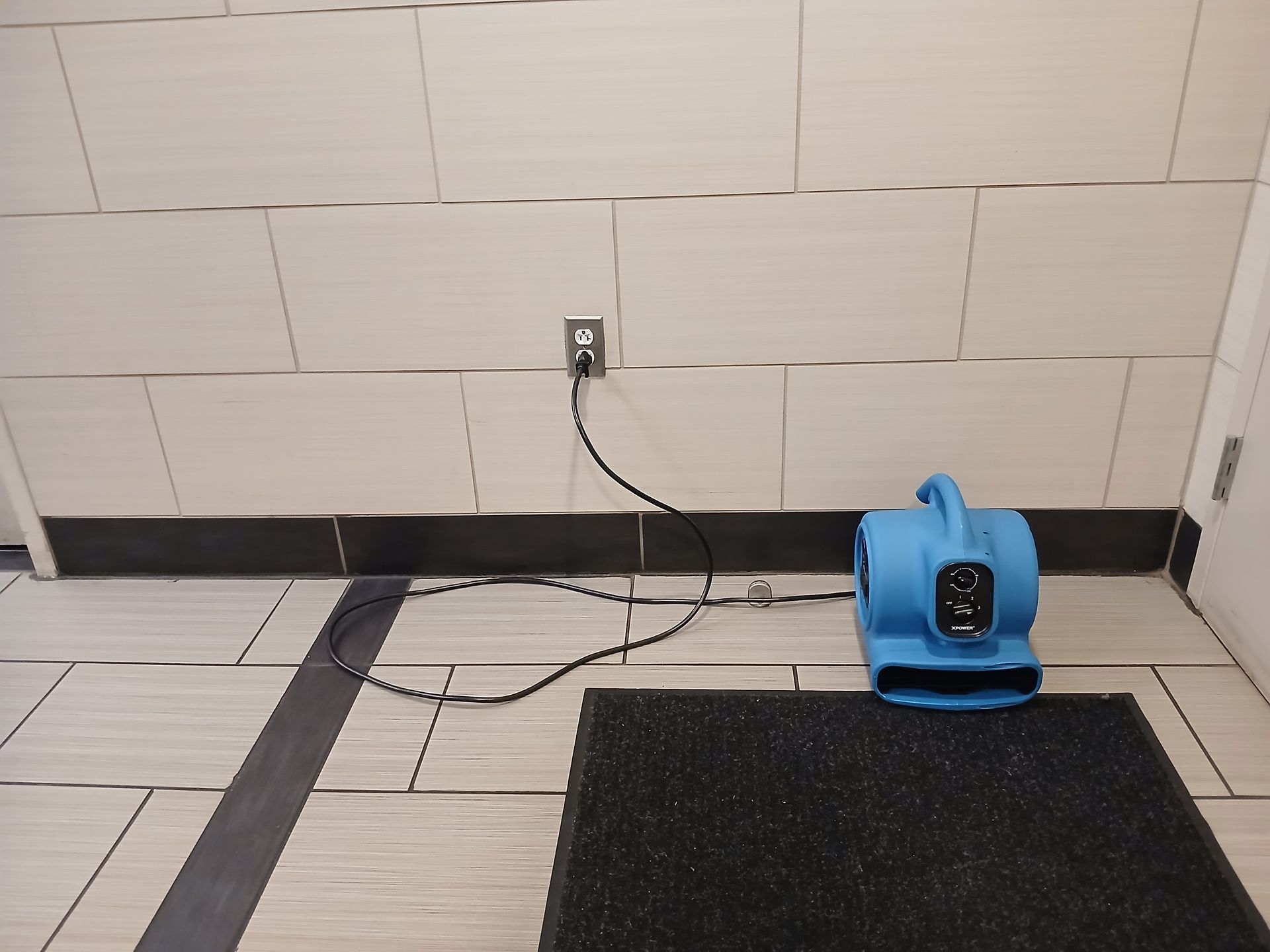
Sewage cleanup is a defined order: contain, remove, disinfect, then dry. Skipping containment to speed drying spreads contamination through airflow and foot traffic, turning a single-room release into a wider problem.
Disinfection has measurable boundaries, and the written scope should name which surfaces are treated and to what standard.
Ask for a written scope, not a square-foot guess.
Very small, contained spills on non-porous surfaces may be cleanable with proper protection. Stop if the release has soaked porous material or spread to walls or other rooms; containment and controlled disposal are then needed.
Air movers circulate contamination through the air and into other rooms. Drying equipment runs only after the affected area is contained, removed and decontaminated, in that order.
Porous soaked materials like carpet, pad, gypsum and insulation are removed. Non-porous surfaces can sometimes be cleaned and disinfected to the boundaries named in the written scope.
Sewage work follows a fixed order so the rest of the home stays unaffected.
Call for Quote (269) 461-9782Tell the quote team your address, water source and affected rooms. Confirm service availability and written terms.
Use this map for geographic orientation. Discuss the property's exact address and access directly with the contractor.
Use What to do when you find water damage in a Boise home to organize the relevant questions, then discuss your property and written scope through Call for Quote.