Water removal
Lifts standing water and saturated material out so the structure can start drying.

Water damage restoration and drying · Boise and Garden City, Idaho
Understand the cleanup, drying and repair work your home may need—and the questions to ask before work begins.
Where to start
Call for Quote (269) 461-9782Tell the quote team your address, water source and affected rooms. Confirm service availability and written terms.
Start with the work your property may need, or choose a guide for the incident.
Lifts standing water and saturated material out so the structure can start drying.
Air movement, dehumidification and moisture readings for cavities and framing.
Scopes damaged materials, coordinates repairs and returns the home to a sound, finished state.
Contains and removes affected material after the moisture source is corrected.
Sound water damage work follows the same sequence whether the loss is small or severe.
Stop the water at its origin before drying begins. Plumbing, roofing and appliance repairs belong to the appropriate trade.
Measure what is wet—flooring, wallboard, insulation and framing. Moisture meters show what visible dryness can hide.
Confirm the work, boundaries and handoffs in writing before equipment or demolition starts.
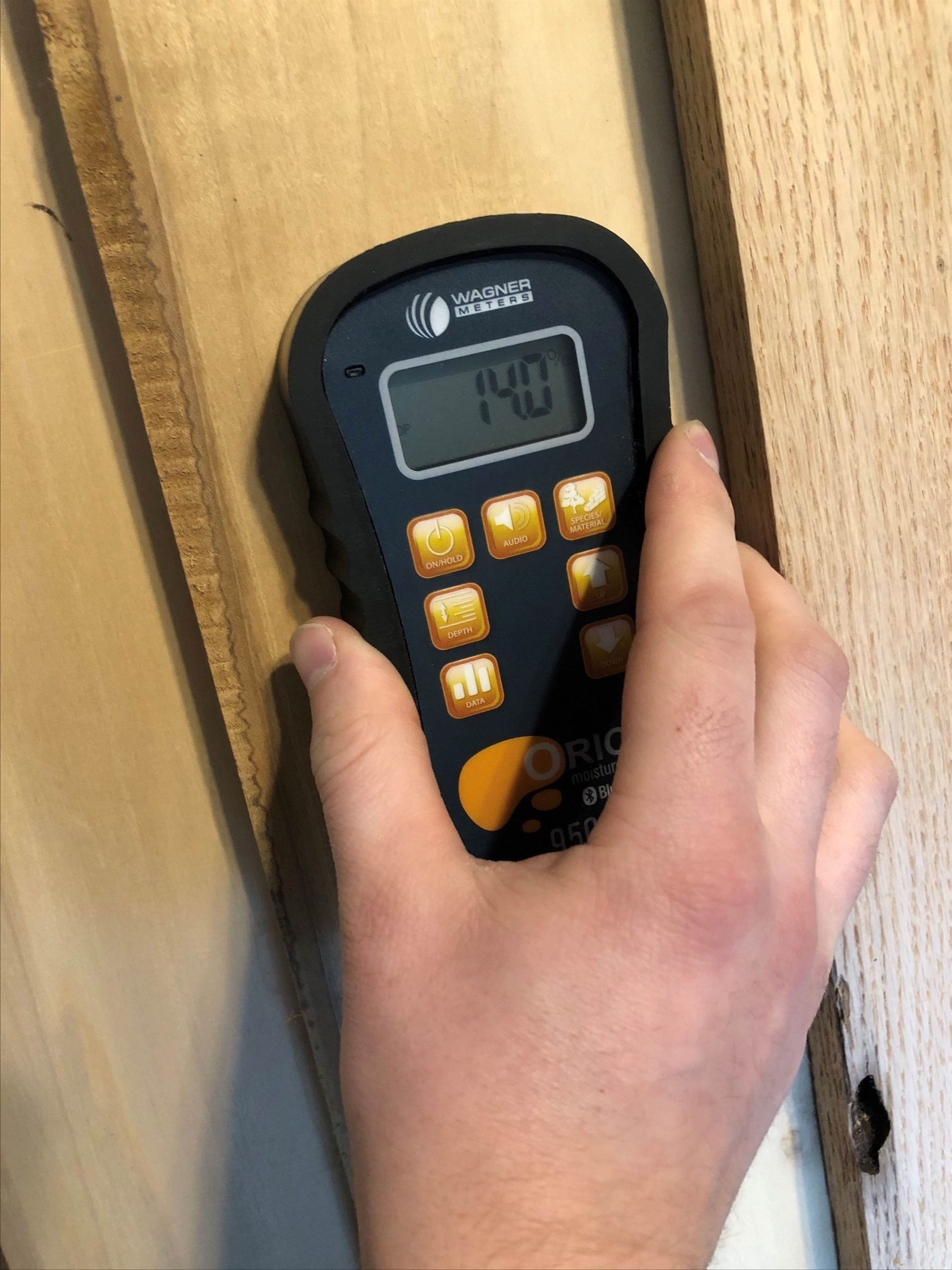
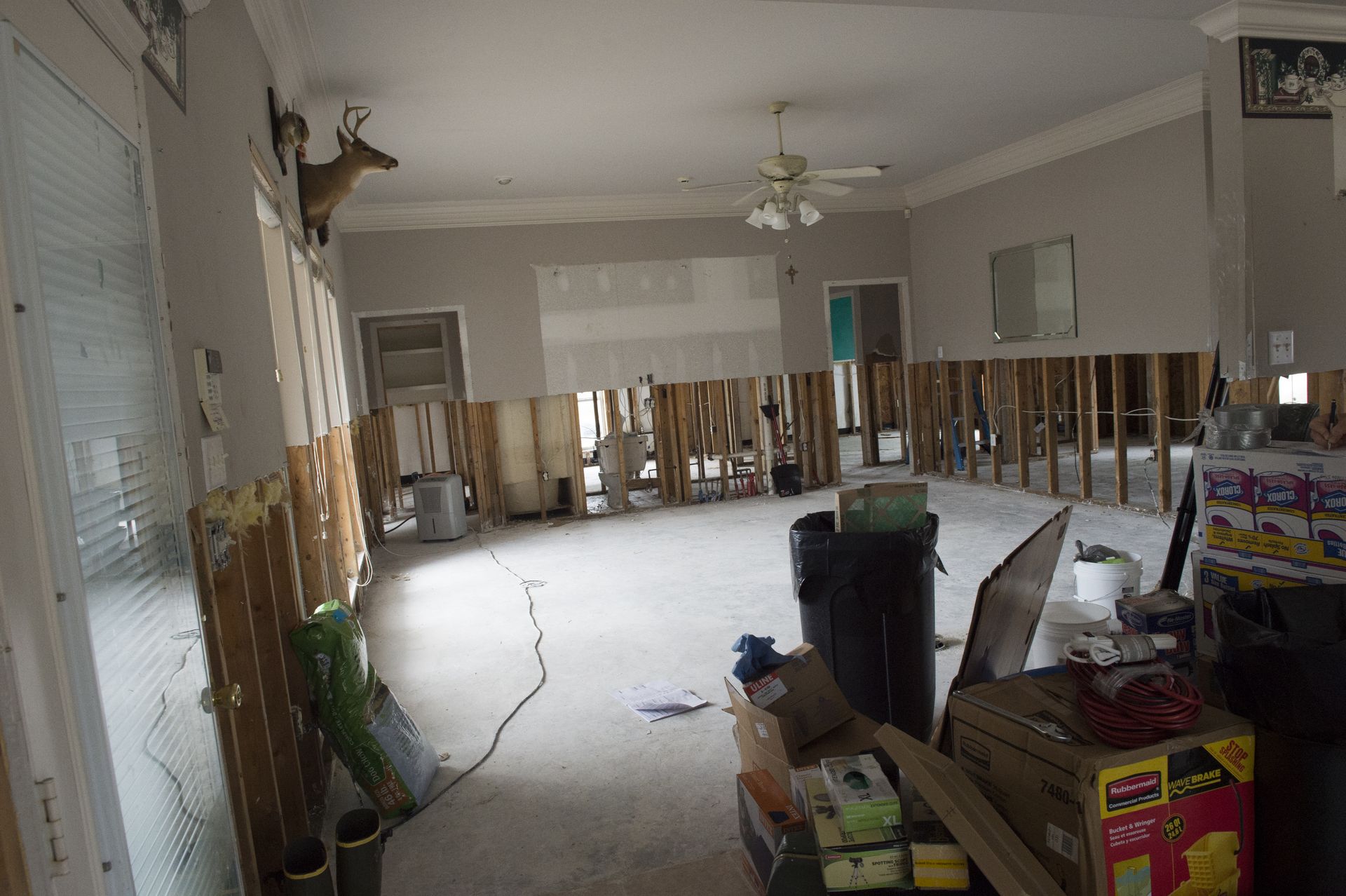
When water has traveled behind finished surfaces, a qualified assessment determines which wet materials to remove—baseboard, wallboard or flooring—to expose framing and insulation. That opening lets air movement and dehumidification reach the cavity instead of trapping moisture inside.
Removal is bounded work: it is guided by the documented scope and ends where drying can take over.
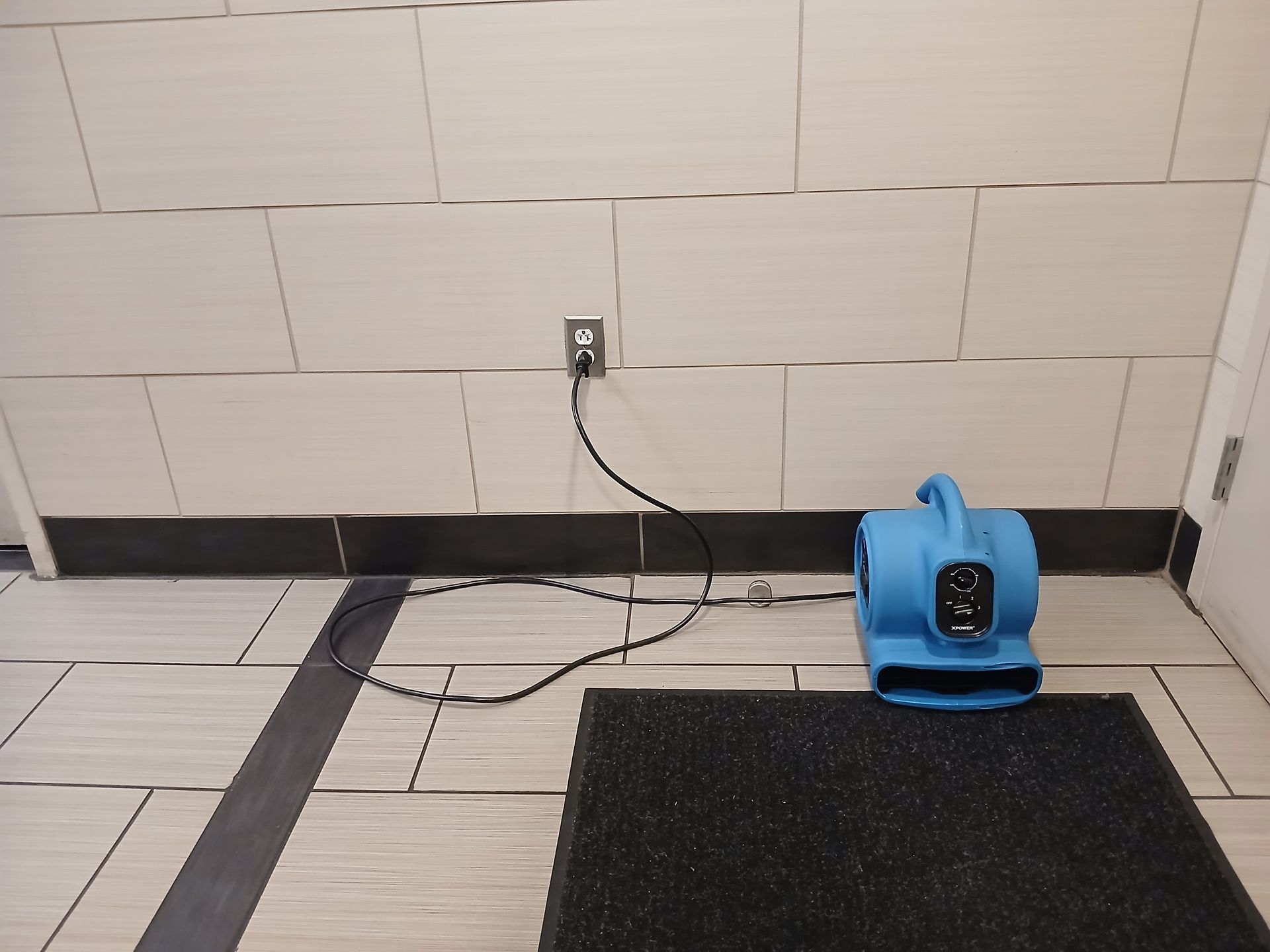
Air movers create airflow across wet surfaces while dehumidifiers pull moisture from the air, letting materials release what they hold. Technicians track wood and drywall moisture content and adjust equipment until readings meet the targets written into the scope.
Floodplain status is property-specific. A designation lookup is a starting point, not a conclusion about any home.
Use your exact Boise address to ask about floodplain and repair requirements. The City checklist identifies information needed for a floodplain review.
A small city between the river and Boise with its own designation process. Look up the address through the city's floodplain questions.
Stay out of standing water near outlets or unknown contamination. If it is safe, stop the source, move dry belongings and photograph the condition. Have the affected materials assessed before tearing into finished surfaces.
Have your property address, water source, affected rooms and materials, and access details ready. Ask which work is included, how drying will be verified, and which repairs need a separate trade.
By meter readings, not appearance. Wood and drywall can look dry while still holding moisture. Technicians take readings and compare them with the targets agreed in the scope before equipment comes out.
Use the Learning Center for first steps, quote comparisons and drying handoffs, or read the Blog for Boise and Garden City repair questions.
Understand the cleanup, drying and repair sequence, then choose a contractor on a written scope rather than a verbal estimate.
Call for Quote (269) 461-9782Tell the quote team your address, water source and affected rooms. Confirm service availability and written terms.